
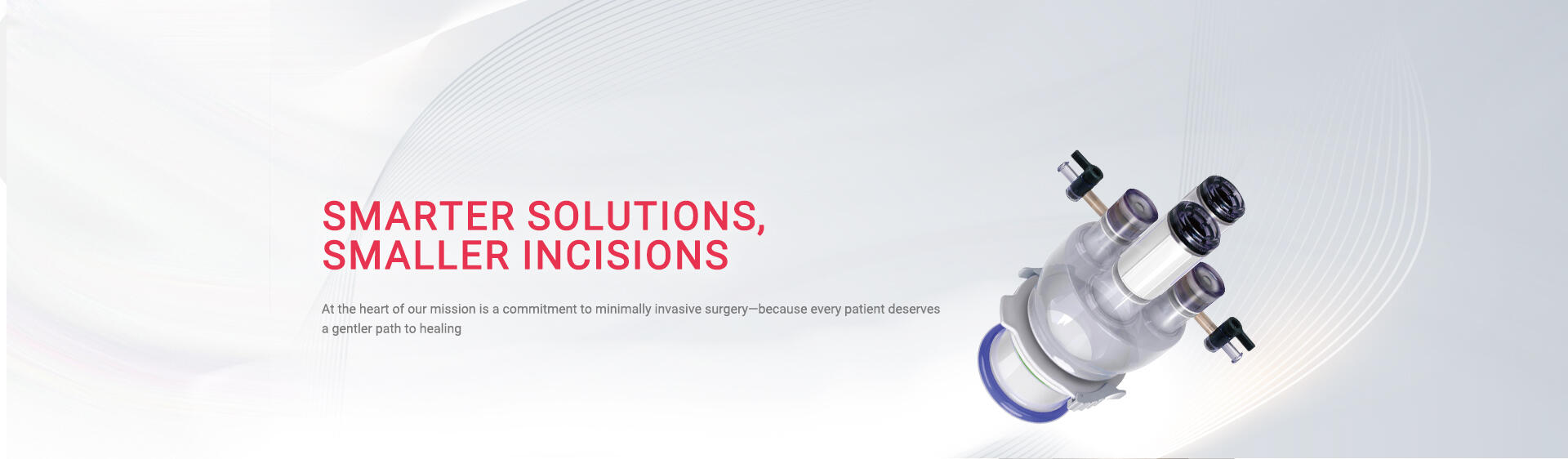
Optical Tip Trocar

| Code | Description | Diameter | Length |
|---|---|---|---|
| TRC-06V1 | 1 Stability Sleeve, 1 Obturator | 5 mm | 75 mm |
| TRC-06V1-N | 1 Stability Sleeve, 1 Obturator, without Stopcock | 5 mm | 75 mm |
| TRC-06VL1 | 1 Stability Sleeve, 1 Obturator | 5 mm | 100 mm |
| TRC-06VL1-N | 1 Stability Sleeve, 1 Obturator, without Stopcock | 5 mm | 100 mm |
| TRC-06VX1 | 1 Stability Sleeve, 1 Obturator | 5 mm | 150 mm |
| TRC-11VM1 | 1 Stability Sleeve, 1 Obturator | 11 mm | 75 mm |
| TRC-11V1 | 1 Stability Sleeve, 1 Obturator | 11 mm | 108 mm |
| TRC-12VM1 | 1 Stability Sleeve, 1 Obturator | 12 mm | 75 mm |
| TRC-12V1 | 1 Stability Sleeve, 1 Obturator | 12 mm | 108 mm |
| Code | Description | Diameter | Length |
|---|---|---|---|
| TRC-06V2 | 2 Stability Sleeves, 1 Obturator | 5 mm | 75 mm |
| TRC-06V2-N | 2 Stability Sleeves, 1 Obturator, without Stopcock | 5 mm | 75 mm |
| TRC-06VL2 | 2 Stability Sleeves, 1 Obturator | 5 mm | 100 mm |
| TRC-06VL2-N | 2 Stability Sleeves, 1 Obturator, without Stopcock | 5 mm | 100 mm |
| TRC-11V2 | 2 Stability Sleeves, 1 Obturator | 11 mm | 108 mm |
| TRC-12V2 | 2 Stability Sleeves, 1 Obturator | 12 mm | 108 mm |
| TRC-12V3 | 3 Stability Sleeves, 1 Obturator | 12 mm | 108 mm |
| Code | Description | Diameter | Length |
|---|---|---|---|
| TR-06VM1 | 1 Stability Sleeve, 1 Obturator | 5 mm | 55 mm |
| TR-06V1 | 1 Stability Sleeve, 1 Obturator | 5 mm | 78 mm |
| TR-06VL1 | 1 Stability Sleeve, 1 Obturator | 5 mm | 100 mm |
| TRO-08V1 | 1 Smooth Sleeve, 1 Obturator | 8 mm | 108 mm |
| TRO-11VM1 | 1 Stability Sleeve, 1 Obturator | 11 mm | 75 mm |
| TRO-11V1 | 1 Stability Sleeve, 1 Obturator | 11 mm | 108 mm |
| TRO-12VM1 | 1 Stability Sleeve, 1 Obturator | 12 mm | 75 mm |
| TRO-12V1 | 1 Stability Sleeve, 1 Obturator | 12 mm | 108 mm |
| TRO-12VX1 | 1 Stability Sleeve, 1 Obturator | 12 mm | 150 mm |
Optical Tip Trocar: Enhanced Safety through Direct Visualization
The LAGIS Optical Tip Trocar is engineered to provide direct visualization of tissue layers during the initial entry phase. By utilizing a laparoscope through the clear optical tip, the surgical team can observe the abdominal wall separation in real-time, significantly reducing the risks associated with blind trocar placement.
Universal Seal for Seamless Instrument Exchange
Our advanced universal seal system is designed to maintain a stable pneumoperitoneum while versatily accommodating a wide range of instrument diameters, from 5mm to 12mm. The integrated double-valve architecture ensures efficient instrument transition without compromising insufflation pressure.
High-Stability Thread Design
The cannula is integrated with a precision-machined stability thread, ensuring the trocar remains firmly positioned within the abdominal wall. This design minimizes unintentional sleeve migration during repetitive instrument movements, providing a reliable and stable platform for the entire procedure.
Refined Ergonomics and Functional Integration
Designed for intuitive handling in the operating room:
- Release Button: Facilitates swift separation or attachment of the obturator and sleeve.
- Suture Port: Provides secure fixation points to the abdominal wall when required.
- 90° Stopcock: Simplifies CO2 management with high-tactile responsiveness.
How does direct visualization improve clinical outcomes during port placement?
Answer: Direct visualization allows the surgeon to identify each anatomical layer and avoid underlying vascular or visceral structures. This "guided entry" approach transforms the most critical step of laparoscopy from a blind maneuver into a controlled, visual-led process.